Greenhorn: A Hand-Traced Comic Font for Makers
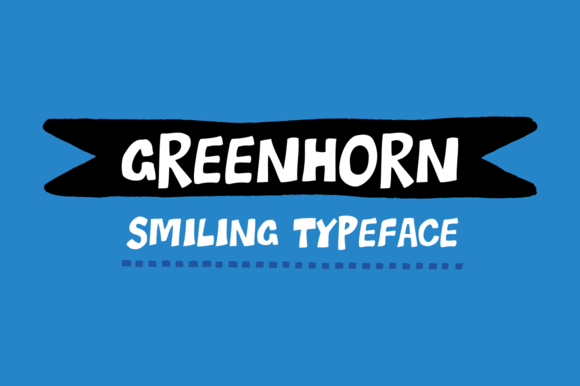
When I first tested Greenhorn on a mockup of a birthday invitation, I knew I had found something special. It’s not just another display font. This hand-traced comic typeface carries the warmth of a vintage cartoon, the uneven ink of a real pen, and the kind of charm that makes a product feel like a small-batch treasure. The inspiration — the unique lettering of a classic Czech cartoonist — comes through in every quirky curve and playful baseline. As a printable creator and Etsy seller, I’m always hunting for fonts that do the heavy lifting of telling a story without shouting. Greenhorn does exactly that. It whispers handmade, nostalgic, and one-of-a-kind, even before the customer reads the words.
What makes Greenhorn a standout display font is how it balances personality with function. It’s not a sterile, perfectly kerned typeface. The letters were traced by hand, so you get those subtle irregularities that feel authentic. The characters have a slight bounce, a comic rhythm that moves your eye across a headline. It’s casual but never messy. For a crafter, that means you can use it on a product label and instantly give the item a storybook feel. Whether you’re printing at home, cutting vinyl, or designing a digital download, Greenhorn behaves like a trusted asset — it’s a creative font that injects soul into short phrases, names, and titles.
I’ve used it on candle labels, where the soft, hand-drawn quality softens the entire jar. I’ve seen it on a wedding welcome board, where it turned a simple piece of acrylic into an heirloom. And on a set of holiday gift tags, it made the recipient pause and smile. That’s the power of a well-chosen typeface — it shapes the feeling before the message lands. For handmade sellers, this emotional nudge is often the difference between a scroller and a buyer.
The Charm of Hand-Traced Lettering
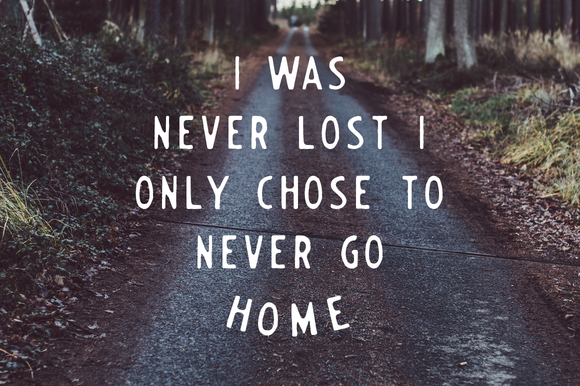
Greenhorn’s visual personality is rooted in imperfection. The strokes vary in thickness, the terminals have a rounded, almost brushed finish, and the letterforms occasionally lean into each other like old friends. This isn’t chaos — it’s controlled character. Because the font was inspired by a cartoonist’s lettering, it naturally carries a sense of motion and whimsy. It’s bold enough for a headline but never feels aggressive. Think of it as a friendly narrator for your products. When you use it on a sticker sheet for a planner, the words feel like a handwritten note, not a machine-printed label. That authenticity is golden in a market where customers crave connection.
I often describe Greenhorn as a handwritten font with a comic twist. While many handwritten fonts lean toward script, this one stays upright and readable, making it perfect for display use. It’s not a script font with flowing connections, but it has the same organic energy. The x-height is generous, so even at small sizes on a product tag, the letters remain clear. The ascenders and descenders are playful but not exaggerated, which keeps the overall look approachable. For a premium font in my toolkit, it fills a unique niche: something that feels both nostalgic and entirely fresh.
Where Greenhorn Shines in Your Craft Projects
Let’s get practical. I’ve used Greenhorn across dozens of product types, and it consistently elevates the design. Here are some of the most effective applications for makers and small shop owners:
- Product labels and stickers: From honey jars to handmade soap, the font transforms a simple label into a boutique statement. It works especially well on kraft paper, where the hand-traced look echoes the natural texture.
- Greeting cards and invitations: For birthday parties, baby showers, or just-because cards, Greenhorn gives the main message a warm, personal voice. Pair it with a clean sans serif font for the details, and you have a professional yet heartfelt design.
- Wedding stationery: I’ve seen it used on welcome signs, table numbers, and favor tags. It brings a storybook romance without being overly frilly. It’s especially lovely for rustic, garden, or whimsical themes.
- Wall art and printables: A single phrase like “Gather Here” or “Home Sweet Home” becomes a focal point. Printed on canvas or framed, it reads as custom lettering, not a standard font.
- Planner pages and digital downloads: For printable habit trackers, menu planners, or journal covers, Greenhorn adds a touch of personality to functional layouts. It’s legible enough for headers and decorative enough to make the design feel special.
- Seasonal craft designs: Holiday ornaments, Easter egg hunt signs, Halloween treat bags — the font adapts to the mood. Its comic roots make it playful, but it’s never so childish that it can’t work for adult-focused products.
- Apparel and accessories: On a tote bag, a T-shirt, or a mug, the font holds up well. I’ve tested it with heat transfer vinyl, and the slightly thicker strokes cut and weed cleanly. The hand-drawn look translates beautifully to fabric.
- Product packaging and tags: A small boutique tag with a brand name in Greenhorn feels like a handwritten signature. For subscription boxes or handmade goods, this detail reinforces the idea of artisan care.
Making Your Products Look More Valuable
There’s a subtle psychology at play when a customer encounters a product with a creative font like Greenhorn. The perceived quality jumps. A simple candle with a hand-traced comic label feels more expensive than the same candle with a generic bold font. The uneven stroke weight and organic letterforms signal that a human was involved — and in a handmade marketplace, that’s exactly what buyers want. This brand identity lift isn’t accidental. When you consistently use Greenhorn across your product line — on your labels, your thank-you cards, your packaging — it creates a recognizable visual signature. Customers begin to associate that quirky, hand-drawn style with your shop. Over time, that builds trust and repeat purchases.
For printable creators, the font can become part of your design assets. I’ve built entire collections around a single expressive typeface because it sets the mood. If you sell editable templates, using Greenhorn for the main headline text makes your template feel like a custom design, not a fill-in-the-blank form. That perception of added value lets you price higher and stand out in a saturated market. The same goes for web design elements or social media graphics — a pinned post with Greenhorn catches the eye because it’s approachable and distinct.
Readability for Stickers, Labels, and Cutting Machines
If you’re a Cricut or Silhouette user, you know the heartbreak of a beautiful font that turns into a weeding nightmare. Greenhorn is surprisingly cutter-friendly. The lines are clean, and even though it’s hand-traced, there are no hairline strokes that disappear on a small sticker. For keychains, earrings, or small tags, I recommend sizing down carefully and doing a test cut, but overall, the letterforms hold their integrity. The font’s generous spacing between letters helps with weeding, and the slightly rounded corners make the vinyl less likely to pull up.
On printed cards and mockup previews, readability stays strong. Because it’s designed for headlines, I wouldn’t set a long paragraph in Greenhorn — it’s not built for that. But for a name, a short phrase, or a decorative title, it’s crisp and inviting. When I’m designing a product label, I always use Greenhorn for the hero text and then switch to a simple serif font or sans serif font for the ingredients or description. This contrast keeps the design organized and ensures the important information is easy to scan. The font’s personality shines without overwhelming the message.
Smart Font Pairings for Greenhorn
Pairing Greenhorn with other fonts is where the real magic happens. Because it has such a strong comic hand-drawn personality, it needs a partner that provides structure. My go-to combination is a clean, minimal sans serif font — something like a geometric or humanist sans that offers a calm counterbalance. For a modern farmhouse look, I’ll pair it with a slightly condensed sans serif for the supporting text. The result feels curated and intentional, like a design studio put it together.
If you want to lean into the nostalgic, storybook feel, try pairing Greenhorn with a delicate serif font for body copy. The classic serif anchors the playful display text and adds a touch of elegance. For a more whimsical composition, you might combine it with a light script font — but use the script sparingly for accents, because too many expressive fonts can clash. I’ve also layered it with a simple handwritten font for a chalkboard-sign effect, and the two styles complemented each other beautifully. The key is to let Greenhorn be the star. It’s a bold display font in spirit, so give it the spotlight on the top line, and choose a partner that supports without competing.
When working on logo design or packaging design, this pairing strategy creates a professional hierarchy. The customer’s eye lands on the playful, hand-traced word first, then naturally moves to the cleaner information. It’s a rhythm that feels effortless and appealing.
What’s Included in the Greenhorn Font
Before you add it to your cart, it’s worth checking what’s inside the file. As a hand-traced comic typeface, Greenhorn often includes more than just the basic alphabet. Look for alternate characters, ligatures, and possibly swashes — these extras let you customize the look further, so a word like “Hello” can appear slightly different each time you use it. I always test the alternates when designing a product, because a single different letterform can change the entire feel of a layout. If the font offers multilingual support, that’s a huge plus for sellers catering to a global audience. Extended Latin characters mean you can create signs, labels, or printables in multiple languages without losing the typeface’s charm.
File formats are also important. Most commercial fonts come in OTF and TTF, and I recommend installing the OTF version for design software because it often includes more advanced features. For web design or social media graphics, you might need a webfont version, so verify what’s available. As a maker, I always keep a copy of the font on my computer and a backup on a cloud drive, ready to pop into any project.
Selling Your Work with Commercial Font Licensing
Here’s a topic that can’t be overlooked. If you plan to sell physical products, digital downloads, printable templates, SVG cut files, or anything with Greenhorn on it, you need a commercial license that covers that use. Many crafters assume a personal-use font is fine for a few Etsy listings, but that can lead to legal trouble down the road. A commercial font license gives you the right to use the typeface on items you sell, in client work, and on merchandise. Always check the license terms: some allow unlimited products, while others have a cap on sales or require an extended license for digital templates. I’ve made it a habit to read the EULA before purchasing any premium font, and it’s saved me from headaches.
With Greenhorn, the license should explicitly cover the kinds of projects you typically do — candles, signs, stickers, apparel, and printables. If you’re a designer creating brand kits for clients, you might need a desktop license that allows logo usage. For product-based businesses, it’s worth investing in a font that’s cleared for commercial use. The peace of mind is priceless, and the font itself can become a reliable part of your brand identity, paying for itself many times over through increased sales and customer recognition.
I remember the first time I used a properly licensed display font on a line of wedding signage. It felt like a professional upgrade. The work looked cohesive, and I could confidently promote it without worrying about takedown notices. Greenhorn has that same potential — it’s more than a typeface; it’s a tool that helps you build a recognizable, emotionally resonant product line. And when you combine it with smart font pairing and thoughtful layout, your designs will stand out in a crowded handmade marketplace.
In my own shop, I’ve seen how a single font choice can shift the entire tone of a collection. Greenhorn is the font I reach for when I want to add a friendly, handmade signature without spending hours on custom lettering. It’s ready to use, full of character, and surprisingly versatile. Whether you’re designing a farmhouse sign, a birthday invitation, or a series of boutique labels, this hand-traced comic typeface brings a warmth that feels both timeless and fresh.